Cheapest Platforms to Buy Crypto with Lowest Fees sets the stage for this enthralling narrative, offering readers a glimpse into a story that is rich in detail and brimming with originality from the outset. This guide delves into the realm of cryptocurrency platforms, exploring the nuances of fees and cost-saving options.
As we navigate through the landscape of crypto exchanges, we uncover the secrets behind low fees and the factors that influence them. Join us on this journey to discover the most cost-effective ways to buy and trade cryptocurrencies.
Overview of Cheapest Platforms for Buying Crypto
When it comes to buying cryptocurrency, finding a platform with low fees can significantly impact your overall investment. A platform is considered cheap in terms of fees when it offers competitive rates for buying, selling, and trading cryptocurrencies.
Popular Platforms Known for Low Fees
Several popular platforms are known for their low fees, attracting users who want to maximize their investment:
- Binance: Binance is known for its relatively low trading fees, especially for users holding its native token, BNB.
- Coinbase Pro: Coinbase Pro offers lower fees compared to its regular counterpart, making it a preferred choice for traders looking to save on costs.
- Kraken: Kraken is another platform with competitive trading fees, making it a popular choice among cryptocurrency traders.
Factors Influencing Fee Structures on Crypto Platforms
Several factors influence the fee structures on crypto platforms, including:
- Trading Volume: Platforms may offer discounted fees based on the trading volume of users, incentivizing higher levels of activity.
- Payment Methods: The fees can vary depending on the payment method used for buying cryptocurrencies, with bank transfers typically having lower fees than credit card purchases.
- Cryptocurrency Pairs: Different cryptocurrency pairs may have varying fee structures, with some pairs being more cost-effective to trade than others.
Analysis of Fee Structures on Cryptocurrency Platforms
Cryptocurrency platforms charge various types of fees for buying or trading digital assets. It is essential to understand these fee structures to make informed decisions on where to invest. Let's compare and analyze fee structures across different crypto platforms.
Fee Structures Comparison
- Platform A: This platform charges a flat fee per transaction, making it easy to calculate costs upfront.
- Platform B: Charges a percentage fee based on the transaction amount, which can vary depending on the size of the trade.
How Fees are Calculated
- Percentage Fees: Calculated based on the total transaction amount. For example, a 1% fee on a $100 trade would be $1.
- Flat Fees: A set amount charged per transaction, regardless of the trade size. For instance, a $5 flat fee for every trade.
Examples of Platforms with Transparent Fee Structures
- Coinbase: Known for its user-friendly interface, Coinbase provides a clear breakdown of fees for buying, selling, and trading cryptocurrencies.
- Binance: One of the largest crypto exchanges globally, Binance offers a fee schedule that is easily accessible and transparent to users.
Factors Affecting the Cost of Buying Crypto
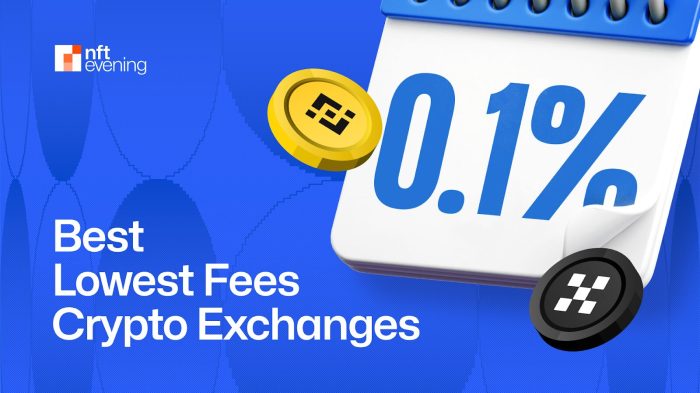
When it comes to buying cryptocurrencies, there are several factors that can influence the overall cost. Understanding these factors is crucial for making informed decisions and minimizing fees.
Different Payment Methods Impacting Fees
One of the key factors that can affect the cost of buying crypto is the payment method used. Different platforms accept various payment methods such as bank transfers, credit/debit cards, or even digital wallets. Each payment method comes with its own fee structure, which can vary significantly.
For example, bank transfers are usually cheaper compared to credit/debit card purchases, which often come with higher processing fees.
Trading Volume and Fee Percentages
The trading volume on a cryptocurrency platform can also impact the fee percentages charged. In general, platforms tend to offer lower fees for users who trade in higher volumes. This means that frequent traders or those trading large amounts of crypto may benefit from reduced fees compared to occasional traders.
It's essential to consider the trading volume and associated fee structures when choosing a platform.
Membership Levels and Loyalty Programs
Some cryptocurrency exchanges offer membership levels or loyalty programs that can help reduce fees for users. By achieving a certain level of trading activity or holding a specific amount of the platform's native token, users may unlock lower fee tiers or additional benefits.
These programs can be advantageous for regular traders looking to save on transaction costs over time.
User Experience and Customer Support on Low-Fee Platforms
When it comes to buying crypto on low-fee platforms, user experience and customer support play a crucial role in ensuring a smooth and hassle-free process for investors. Let's explore how these factors contribute to the overall satisfaction of users.
User Reviews and Experiences with Customer Support
One of the best ways to gauge the quality of customer support on low-fee platforms is by looking at user reviews and experiences. Many investors rely on customer support to address any issues or queries they may have while trading crypto.
Positive reviews highlighting prompt and helpful customer service can instill confidence in users and enhance their overall experience.
Comparison of Ease of Use and Interface
The ease of use and interface of different platforms can greatly impact the user experience. Platforms with intuitive interfaces, easy navigation, and clear instructions make it simpler for investors to buy and sell crypto. A user-friendly platform can attract more users and retain existing ones, leading to a positive reputation in the market.
Security Measures in Place on Low-Fee Platforms
Security is a top priority for investors when choosing a platform to buy crypto. Low-fee platforms that implement robust security measures such as two-factor authentication, encryption, and cold storage for funds provide users with peace of mind. Investors are more likely to trust platforms that prioritize security, even if they offer lower fees.
Conclusive Thoughts
In conclusion, Cheapest Platforms to Buy Crypto with Lowest Fees sheds light on the intricate world of cryptocurrency trading, offering insights into how to minimize costs and maximize returns. Whether you're a seasoned trader or a newcomer to the crypto space, this guide equips you with the knowledge needed to make informed decisions and navigate the realm of low-fee platforms with confidence.
Frequently Asked Questions
What factors contribute to a platform being considered cheap in terms of fees?
A platform is typically deemed cheap if it offers competitive fee structures that are lower than industry averages, providing cost-effective solutions for users.
How do different payment methods impact the fees when buying crypto?
Payment methods such as bank transfers or credit/debit cards may incur varying fees, with some methods being more cost-efficient than others.
Can trading volume influence the percentage of fees on crypto platforms?
Yes, platforms may adjust fee percentages based on trading volume, with higher volume traders often benefiting from lower fees.
Do loyalty programs or membership levels play a role in reducing fees on crypto platforms?
Many platforms offer loyalty programs or membership tiers that can reduce fees for users based on their activity and engagement on the platform.